Why leaf-by-leaf picking beats single-head crops
On a two-square-metre balcony, every container must earn its footprint over a full ninety-day stretch. Planting a classic heading cabbage or a long-season maincrop potato ties up a heavy tub for months only to yield a single harvestable meal. Instead, choose varieties bred for continuous outer-leaf harvesting or rapid multi-truss fruiting.
Loose-leaf oakleaf lettuces ('Salad Bowl', 'Cerbiatta'), Swiss chard ('Bright Lights'), and dwarf curly kale ('Dwarf Green Curled') operate like living salad dispensers. By twisting off only the outer four or five mature leaves from each plant twice a week and leaving the central meristem intact, a single 60 cm × 25 cm trough holding six plants produces fresh greens continuously from May through late autumn.
In cooler east- or north-facing corners where fruiting Mediterranean crops stall, brassica salad leaves such as rocket (arugula), Japanese Mizuna, and mustard 'Red Frills' thrive in just three hours of morning light, delivering peppery leaves within twenty-eight days of sowing.
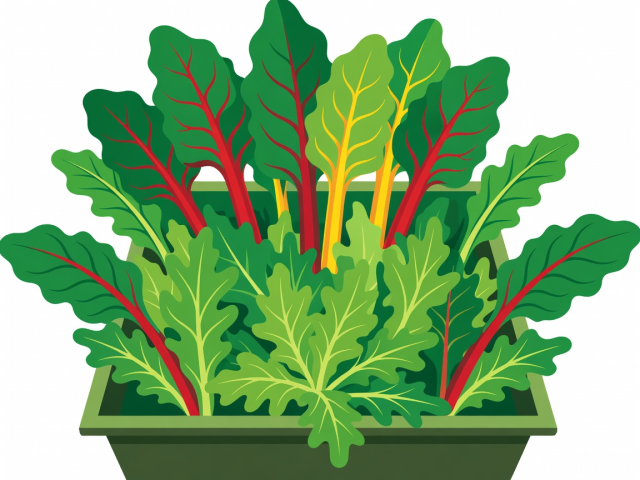
Fig 3.1 — Outer-stem harvest rule: remove mature perimeter leaves cleanly at the base while preserving the central growing heart for continuous weekly yields.
Bush tomatoes, chillies, and the blossom-end rot trap
Nothing signals summer on an urban balcony like sun-warmed cherry tomatoes, yet tall indeterminate cordon varieties ('Gardener's Delight', 'Sungold') rapidly reach 200 centimetres, catching high-rise wind gusts and toppling narrow pots. Unless you have a sheltered wall anchor and a 35-litre tub, opt for determinate bush or micro-dwarf cultivars bred specifically for containers.
Varieties from the community-led Dwarf Tomato Project alongside proven patio standards like 'Tumbling Tom Red', 'Balconi Yellow', and 'Maskotka' form compact, self-supporting mounds 35 to 50 centimetres tall without needing side-shoot pinching. Similarly, compact sweet peppers ('Mohawk', 'Lunchbox') and upright chillies ('Apache', 'Prairie Fire') produce dozens of fruits in 10-to-15-litre square pots.
The most common setback with balcony tomatoes and peppers is blossom-end rot—a sunken, dark leathery patch on the bottom of ripening fruits. Despite popular belief, it is rarely caused by a lack of calcium in the compost; it happens when erratic watering prevents the roots from transporting dissolved calcium up to rapidly swelling fruit during hot afternoon winds. Using self-watering reservoir pots or mulching the soil surface with 2 cm of fine bark chips keeps moisture flow steady.
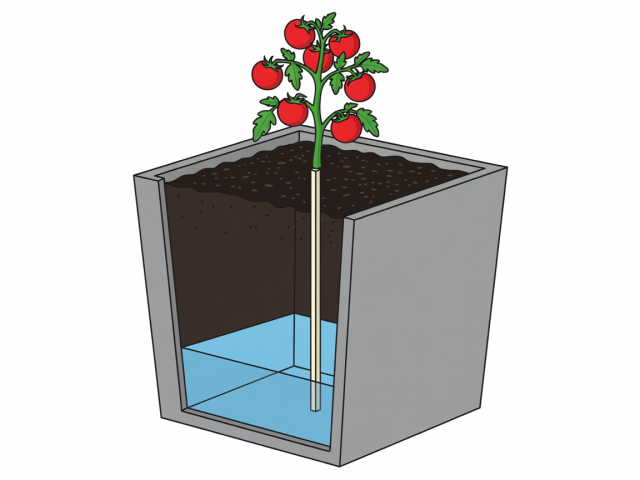
Fig 3.2 — Sub-irrigated capillary reservoir pots stabilize moisture supply during afternoon heat spikes, eliminating calcium transport interruptions.
Balcony Vegetable Container Volume & Yield Guide
Match your container capacity and sunlight hours to tested compact vegetable cultivars before sowing or buying plug plants.
| Vegetable Crop | Recommended Cultivars | Min. Soil Depth & Volume | Plant Spacing | Days to First Harvest |
|---|---|---|---|---|
| Loose-Leaf Lettuce | 'Salad Bowl', 'Lollo Rossa', 'Little Gem' | 15 cm depth (10 L trough) | 15 cm apart | 30–40 days (outer leaves) |
| Swiss Chard & Perpetual Spinach | 'Bright Lights', 'Fordhook Giant' | 25 cm depth (20 L box) | 20 cm apart | 50–60 days (continuous for 6 mos) |
| Summer Radishes | 'French Breakfast', 'Cherry Belle' | 15 cm depth (Window box) | 4 cm apart | 24–30 days |
| Dwarf Bush French Beans | 'Mascotte' (Bred for window boxes), 'Safari' | 25 cm depth (15–20 L pot) | 12–15 cm apart | 55–65 days |
| Patio Bush Tomatoes | 'Tumbling Tom', 'Maskotka', 'Rosella' | 30 cm depth (20–25 L pot) | 1 plant per 20 L pot | 65–75 days from transplant |
| Compact Chilli & Sweet Peppers | 'Apache' (Chilli), 'Mohawk' (Sweet) | 25 cm depth (10–12 L pot) | 1 plant per 10 L pot | 70–85 days |
| Short-Root Carrots | 'Paris Market' (Round), 'Chantenay Red Cored' | 25–30 cm depth (25 L tub) | 5 cm apart in grid | 65–75 days |
| Patio Bush Courgette (Zucchini) | 'Astia' (Container bred), 'Midnight' | 35 cm depth (35–40 L tub) | 1 plant per 40 L tub | 50–60 days |
Succession sowing and underplanting tall tubs
To maximize harvest weight per square metre without buying extra pots, pair slow-maturing upright plants with rapid, shallow-rooted companions in the same deep container. When you transplant a single young bush tomato or sweet pepper into the centre of a 30-litre square tub in mid-May, the outer 10 centimetres of soil around the rim remain unshaded for five weeks.
Sow a perimeter ring of 'French Breakfast' radishes or quick-maturing baby spinach around that outer rim. You will pull and eat every radish within twenty-eight days—just as the central tomato canopy expands outward to claim the full width of the pot. Once Dwarf French beans ('Mascotte') finish cropping in late August, cut their stems off at soil level—leaving their nitrogen-rich root nodules intact inside the compost—and immediately plug in autumn seedlings of pak choi and winter hardy Mizuna.
Container Feeding Calendar
Potting compost only holds enough base fertilizer for the first 4 to 5 weeks. Follow this two-stage nutrient routine:
- Leafy Salads, Chard & Brassicas: Feed every 14 days with a balanced organic liquid seaweed plus plant-based nitrogen feed (such as nettle or comfrey extract diluted 1:10) to support lush green cell division.
- Tomatoes, Peppers, Courgettes & Beans: Wait until the very first tiny green fruits set on the first flower truss, then switch to a high-potassium (potash) liquid tomato feed once a week. Adding high nitrogen too early produces giant leafy vines with scarce fruit.
- Mid-Season Top-Dressing: In early July, scrape back the top 2 cm of tired surface compost in deep tubs and replace it with a 2 cm layer of fresh worm castings.