The shoulder-height rule and structural weight distribution
Architectural renders of vertical gardens frequently depict lush green walls towering three metres up an apartment facade. In daily balcony practice, any edible trough mounted higher than your shoulder (roughly 150 to 160 centimetres above the deck) becomes a chore to water, impossible to inspect for aphids, and a severe safety hazard if you are tempted to step onto a chair near an exterior balustrade.
Keep the rim of your highest planter at chest or shoulder level so you can test soil moisture with your index finger while standing flat-footed on the balcony deck. Furthermore, respect structural engineering limits: under Eurocode 1 (EN 1991-1-1) and UK Building Regulations, modern residential balconies are typically designed for a uniformly distributed live load of 2.5 to 4.0 kilonewtons per square metre (roughly 250 to 400 kg/m²), whereas older Victorian or mid-century conversion balconies may have much lower thresholds.
Always position vertical tiered stands and deep trellis troughs flush against the primary load-bearing building wall where the balcony slab joins the main structure—never clustered at the outer cantilevered railing edge. Swap heavy mineral topsoil and gravel drainage layers for lightweight peat-free coir, bark, and expanded perlite blends that cut saturated container weight by nearly 40%.
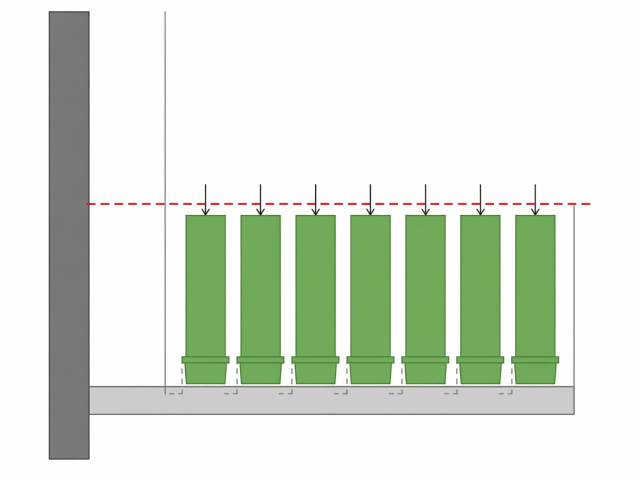
Fig 5.1 — Structural placement: anchor vertical frames against the rear building wall where shear support is strongest, capping top trough rims at 155 cm for flat-footed tending.
Why stepped ladder troughs outperform fabric wall pockets
When choosing a vertical system for food crops, distinguish between decorative foliage walls and productive vegetable planters. Hanging felt pocket mats hold less than 1.5 litres of soil per pouch; exposed to warm balcony breezes on three sides, they dry out in four hours, causing lettuce to turn bitter and strawberries to shrivel before ripening.
Instead, use stepped A-frame ladder planters holding rigid 18-centimetre-deep square troughs, or modular interlocking stackable towers with central watering cores. Because stepped ladder tiers angle backward at 65 to 75 degrees toward the wall, every trough receives unobstructed overhead sky light without the upper box casting a permanent dark shadow across the tier below.
Arrange your crops vertically according to their microclimate tolerance: plant drought-hardy thyme, oregano, and trailing rosemary in the windiest, brightest top tier; place strawberries and bush French beans in the sheltered middle tier; and reserve the cooler, shaded bottom base box for moisture-loving mint, chives, and loose-leaf salad greens.
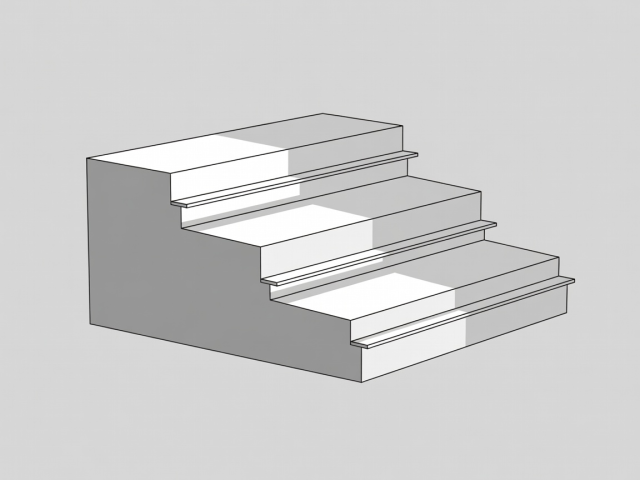
Fig 5.2 — A 70-degree stepped setback lets solar beams hit all three levels simultaneously while nesting saucers capture every drop of irrigation water.
Comparison of Four Balcony Vertical Growing Systems
Evaluate soil volume, wet weight, watering frequency, and best crop pairings before assembling vertical hardware on your balcony.
| Vertical System Type | Typical Footprint | Est. Saturated Weight | Moisture Retention | Best Edible Crops |
|---|---|---|---|---|
| Stepped 3-Tier Trough Ladder | 80 cm × 50 cm | 45–60 kg total (3 troughs) | High (15–20 L per tier + saucers) | Top: Herbs; Mid: Strawberries/Beans; Base: Chard & Lettuce |
| Deep Base Box + Obelisk/Trellis | 60 cm × 35 cm | 35–48 kg | Very High (35 L single root zone) | Climbing Mangetout peas, Malabar spinach, patio cucumbers, dwarf beans |
| Stackable Modular Quad Tower | 45 cm × 45 cm | 30–42 kg (4 tiers) | Medium-High (Internal central drip core) | Everbearing strawberries, bush basil, pak choi, tumbling micro-tomatoes |
| Inward-Hooked Railing Planters | 60 cm × 20 cm (zero floor) | 12–16 kg per box | Medium (Requires self-watering base) | Cut-and-come-again rocket, radishes, alpine strawberries, trailing thyme |
Closed-loop watering and wind-fastening hardware
Nothing ends a balcony gardening project faster than a complaint from a downstairs neighbour or building management about brown compost water dripping onto lower windows or laundry. Every vertical structure on a balcony must operate as a closed-loop containment system.
Line the inside bottom of each trough with a sheet of non-woven horticultural geotextile fleece above the drainage holes; this lets excess water percolate through while trapping fine peat-free compost particles inside the pot. Beneath every tier, slide a square high-sided polypropylene drip tray. If you install a gravity-fed micro-drip tube from a 20-litre water container, use adjustable 2-litre-per-hour pressure-compensating drippers timed for just ten minutes at 07:00 so the substrate absorbs the full dose without overflowing the saucer.
Finally, secure any trellis or tiered frame against gale-force balcony downdrafts. If lease rules prohibit drilling masonry anchors into exterior brick walls, weigh down the bottom shelf of your ladder stand with two 25-litre deep vegetable tubs and lash the upper frame to sturdy vertical balcony railing bars using UV-stabilized reusable nylon cable ties.
Best Annual Climbers for a 140 cm Trellis
Avoid vigorous 3-metre allotment runner beans that outgrow balcony trellises by June. Plant these controlled climbers in a 30 cm deep base trough:
- Mangetout & Sugar Snap Peas ('Carouby de Maussane' or 'Delikett'): Climb to 120–150 cm using delicate leaf tendrils, fix nitrogen in the soil, and produce sweet edible pods in cool May and June weather.
- Patio Mini-Cucumbers ('Mini Munch' or 'Cucamelon'): All-female parthenocarpic mini-cucumbers need no pollination and yield crisp 10 cm snacking fruits along a 140 cm bamboo fan trellis.
- Climbing Malabar Spinach (*Basella alba* 'Rubra'): Heat-loving twining vine with glossy, succulent leaves and magenta stems that thrive on hot south- or west-facing walls where true spinach bolts.